After two years of writing this blog, it has come to my attention that I am simply a placeist. Not in the Urban Dictionary manner that sort of has undertones of being a racist or any other -ist that is negative. It’s in the sense that I see benefits in all types of land use (as well as drawbacks). I love buildings. I love people. I love cars, trains, planes and buses. All in equal measure. It’s hard for me to continue to keep just being an urbanist. I will keep the name of the blog as is, because there’s still cognitive dissonance with it and the word Black when it refers to my ethnic background. They are separate and I will advocate continually for their separation. The largest forum I have is my blog and Twitter handle.
However, in practice, I’ve seen that we do better when we recognize there are benefits to all land use, in moderation and in reason. So what exactly makes me a placeist? Here are a few things:
-Some days I just need my car. I have a bad back and lifting groceries is hurtful and becomes expensive due to chiropractic adjustments. Also, my job is a statewide job. I need to be able to get to city to city in a timely manner. Now if we had a full blown, New Jersey Transit-esque train system in North Carolina, I could think about selling my car. That and full grocery delivery.
-Some people with yards actually use them. They plant food and sell it to folks. They hold block parties. They build accessory dwellings when they are legal. They have backyard concerts. They use it to enjoy a piece of nature and then get back to solving problems of the world. However, the problem comes when those yards don’t have sidewalks or even roads that make it easy to get all over the city on foot or even just down to the corner drug store.
-Some cities and their dwellers are too expensive, too status quo and too conservative- Although I love the newer hipster businesses, I love the old greasy fish, burger and pizza joints too. My purse does too and since I’m walking home daily, I need all the protein I can get. Also, good design, good working appliances and fixtures and good location should be just guaranteed, not an “urban amenity”. And what of people who stay in their own neighborhoods and never branch out? Who want to do something new, but never stop talking about it. Creativity is not all due to osmosis; you have to be doing something on your computer at the Starbucks, not just reading someone else’s punditry.
-Some suburbs are dead- I’m watching the one I grew up in, which in reality was the annexed outskirts of a city, die. The businesses are vacant, dirty or predatory. People do harm there because they can. I hate going out there because it feels dead. It’s one thing to have vibrant businesses that aren’t as shiny and slick. It’s another thing to have businesses that are beat-down looking and beat down their people through predatory lending, high prices or rotten food. On top of that, the good stuff is going even further out or coming back into the core of the city. The bus can take folks into the core, but that’s given the bus even comes close by at all. Suburbia was not made for the poor, yet it’s gradually becoming the domain of the poor in many areas.
-We need our farms- How else will we eat? Corporate farming has been good and bad for feeding America. Yes, less of America goes hungry, but they also have diseases and conditions that were not evident before corporate farming. Also, there’s the whole food market that’s been turned upside down by Walmart, the government and other major food companies. Yet, at the end of the day, the ability to be partially or fully self-sufficient through your farm is noble and should continue to be honored by society and the market.
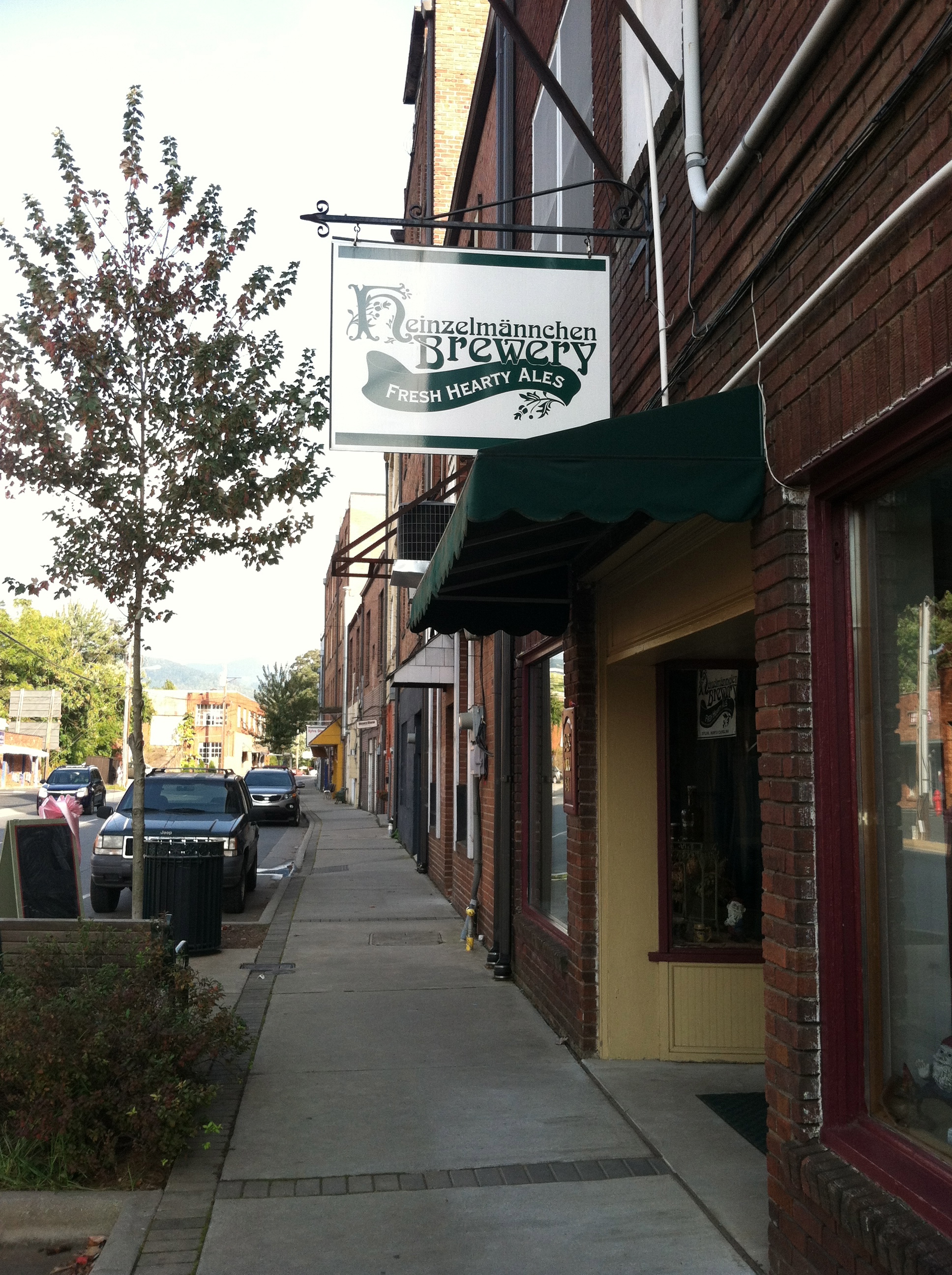
There are more bold points and I’ll be writing about those in the coming weeks online and offline. Yet, what really made me change my mind about this whole urbanist-suburbanist-ruralist dichotomy is that thing we call the mountain town. It and its cousins the beach town, and the college town throw everything we know about placemaking out the door. It’s equal parts resort for the rich and occupation for the working poor. There is unmatched beauty and intense knowledge exchange. There are quirky haunts like the soul teahouse and the gourmet Mexican restaurant.
Big cities used to hold a monopoly on these types of things. However, with the internet and other technology, once remote places aren’t so remote anymore. What I love especially about the towns defined by the geography, is that the restriction of either beach or mountain peak force towns to be built compactly. Especially in the mountains. Eventually, Walmart runs out of room because it’s competing with a mound of granite that is way too expensive and impractical to blow up.
Nowadays, I’m about good places, period. Therefore I go forth as the Black Urbanist, Placeist at Large.